
The CSI Conferences take place every year around the world. Alongside CSI Frankfurt, there are CSI America, CSI Asia-Pacific, CSI Africa, as well as many national and virtual events. Why does this field benefit from regional conferences rather than one central global congress?
Inga Sievert: Although our field of study is international, the healthcare landscape varies considerably from one region to another. This includes the treatment options available, the types of conditions physicians encounter, and access to healthcare. In some African countries, for example, there are fewer medical devices and specialised centres, while opportunities for early diagnosis are often more limited. As a result, educational needs also differ.
That is exactly why international exchange is so valuable. We can learn from one another and discover new approaches. Innovation often starts at a local level before gradually spreading around the world through international collaboration. The various CSI meetings provide the ideal platform for this process.
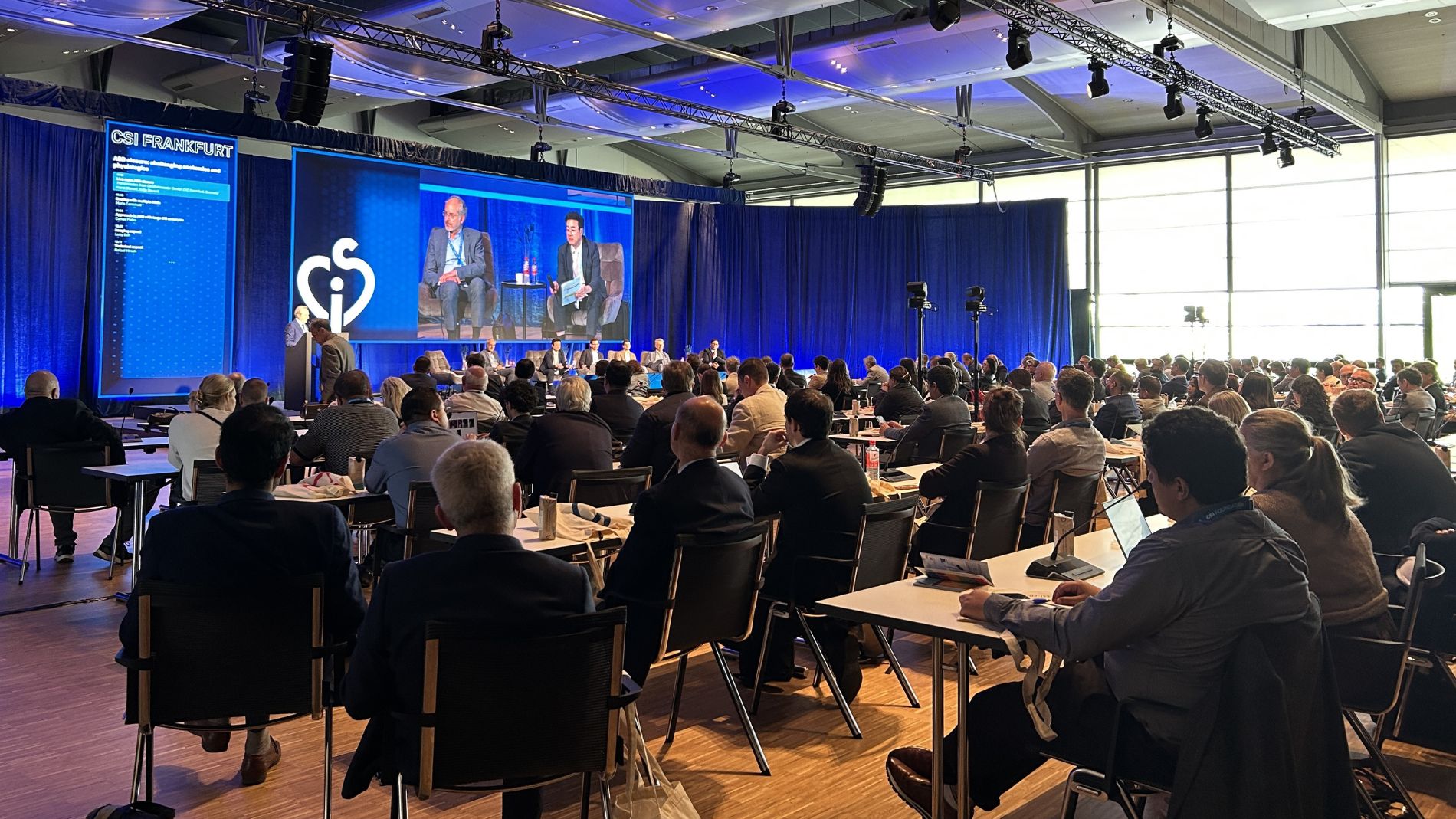
CSI Frankfurt reflects this international spirit. In 2026, we welcomed participants from 87 countries. At the same time, it's important that educational programmes are tailored to the realities and opportunities within each region.
Accessibility is another important factor. Not everyone can travel to Frankfurt for continuing education. Regional meetings make high-quality education available to far more physicians and give them the opportunity to exchange ideas with colleagues closer to home.
Through CME4u, you are responsible for organising the CSI congresses around the world. What cultural differences and challenges shape events in different regions? And what aspects of the congress industry have become largely standardised worldwide?
Inga Sievert: We've been organising international meetings for many years, and our own team is highly international as well. Because of that, we see cultural differences less as a challenge and more as a real strength. Frankfurt is an international city, and working with people from different cultures is simply part of our everyday business.
Whenever we organise events abroad, we work closely with local physicians. They understand the local environment and help us adapt to regional expectations. In some Asian countries, for example, official ceremonies or formal expressions of thanks play a much bigger role than they do in Europe. Naturally, we take these differences into account.
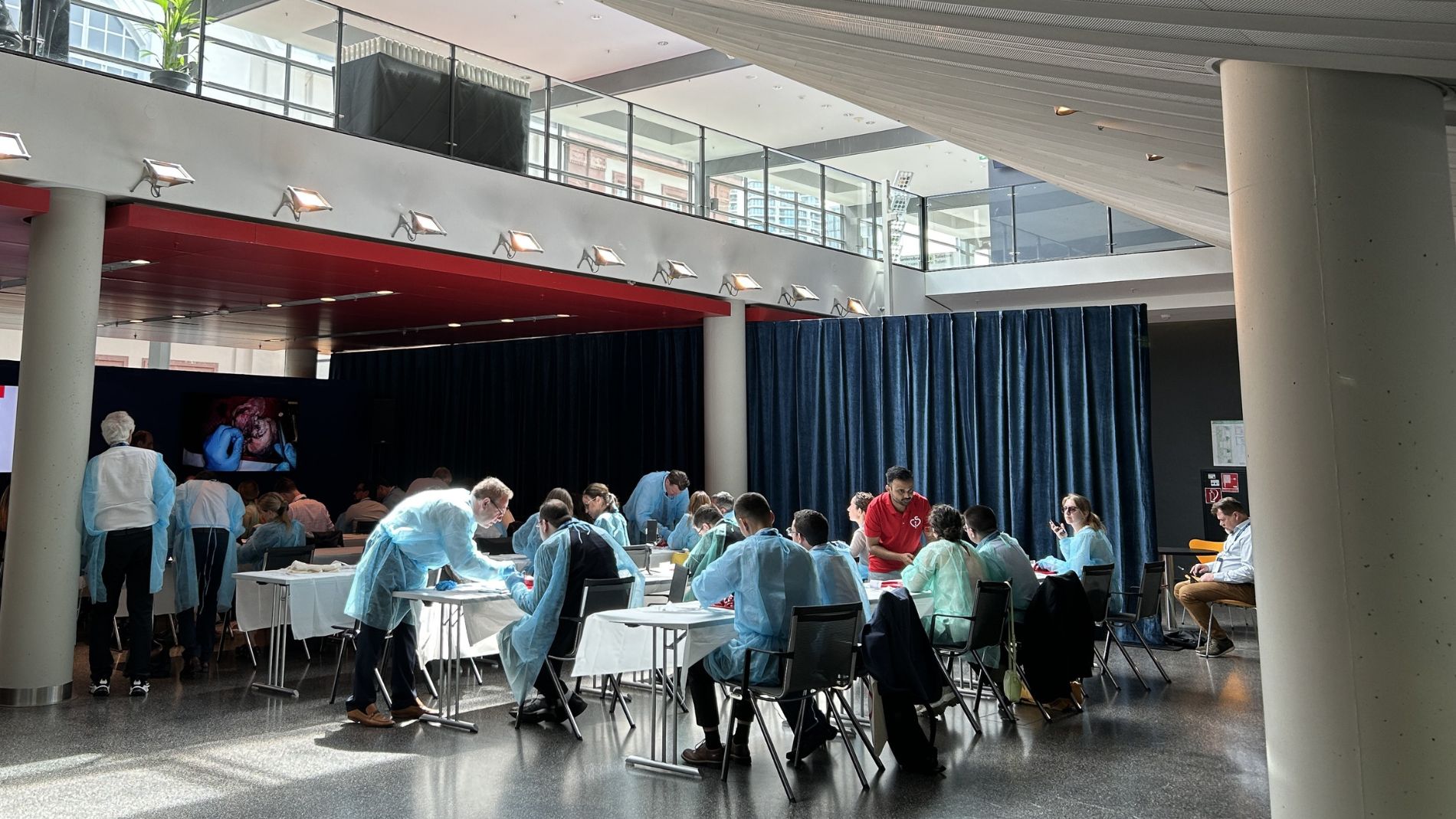
One of the things that makes our work particularly enjoyable is the CSI community. Many of the physicians have been attending our meetings for years. People know each other, meet regularly at conferences and virtual events, and over time this has created a real family atmosphere. That's one of the things that makes working together across countries and cultures so easy.
At the same time, many aspects of congress organisation have become standardised internationally. Technical requirements, safety standards, accreditation processes and digital registration systems are now very similar across the world, which makes organising international events much more straightforward.
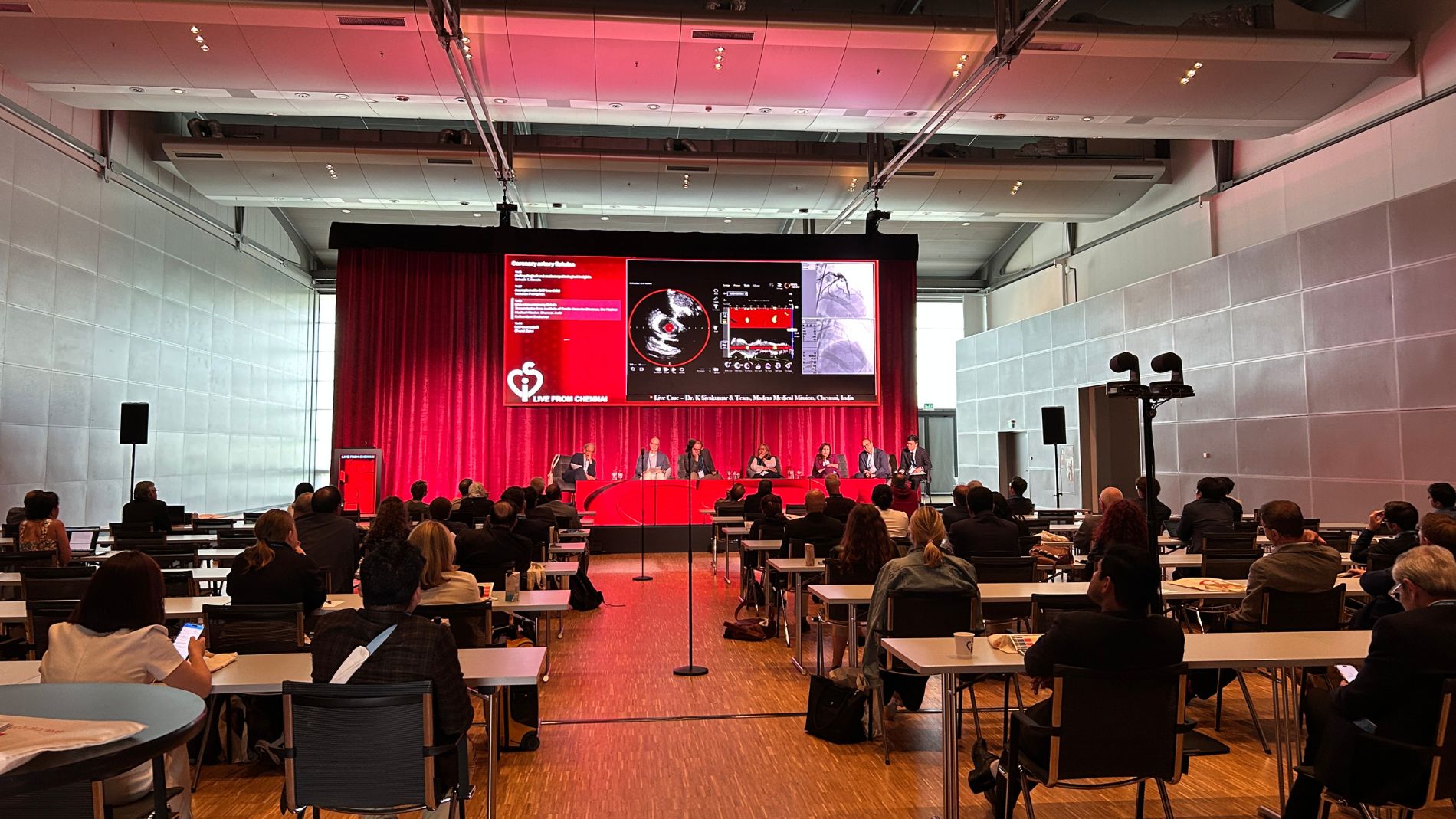
Alongside its in-person meetings, CSI also offers a strong virtual education programme. What are the main advantages and limitations of virtual events?
Inga Sievert: Virtual education offers many advantages. It's cost-effective, quick to organise and gives physicians around the world access to high-quality educational content. Even today, we still run two or three webinars every month, and they're consistently very well attended. Zoom sessions often lead to lively discussions, with plenty of questions from the audience.
Although demand has declined somewhat since the pandemic, virtual education remains an important part of what we offer.
The biggest limitation, in my view, is the lack of personal interaction. The most valuable conversations often don't happen during the presentations themselves, but over coffee, at dinner or simply by chance between sessions. That's where friendships, collaborations and often new research projects begin. You simply can't recreate that online.
It's also important to be realistic about what's involved in virtual events. During the pandemic, many organisers invested in highly sophisticated and expensive online platforms. Our experience was quite different: a well-organised webinar on Zoom works extremely well. Sometimes, less really is more.
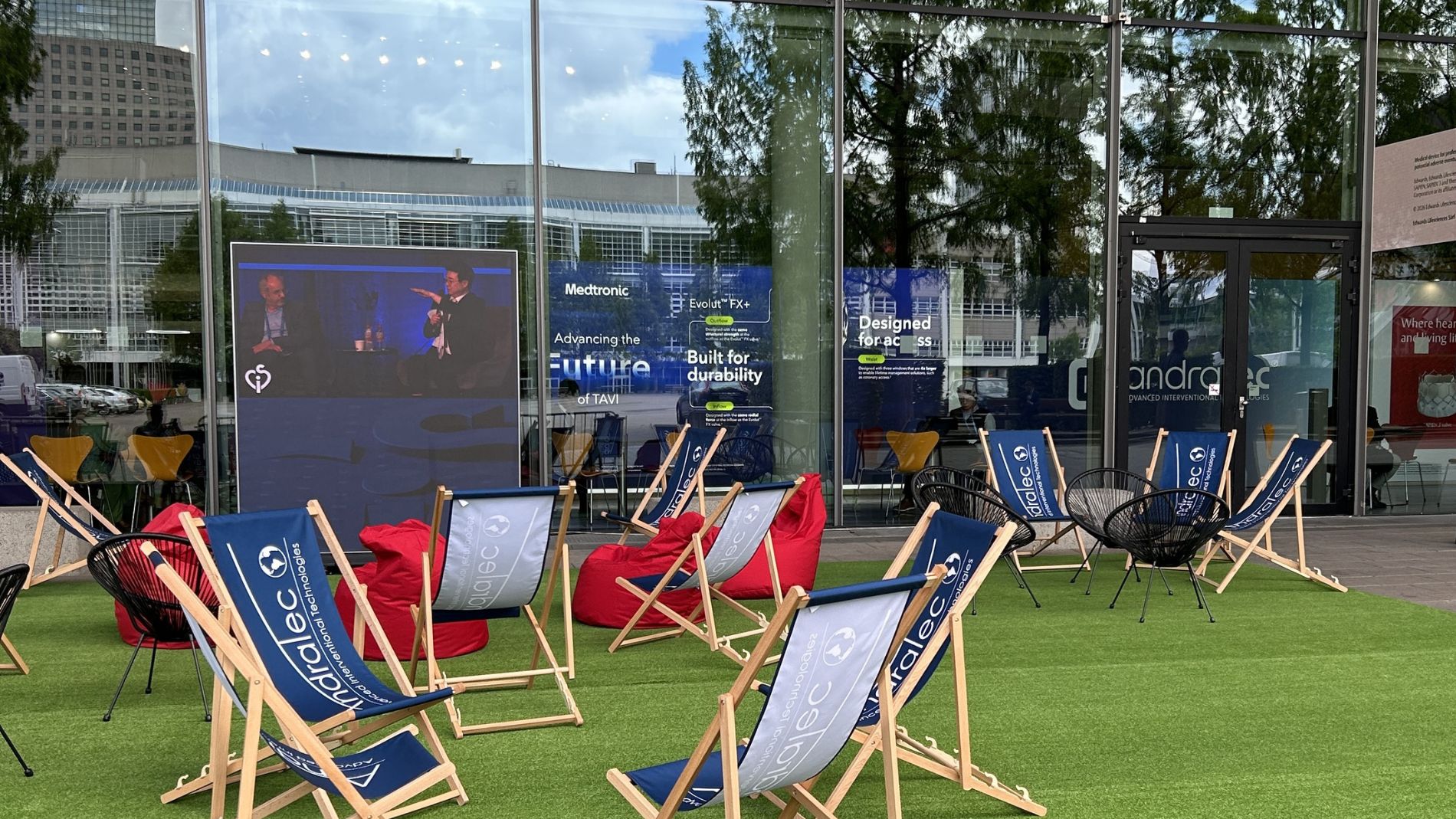
Do you see hybrid congresses as a long-term model? What challenges do they present for organisers and venues?
Inga Sievert: I believe that in-person congresses and virtual education will continue to complement each other in the long term—but as two distinct formats rather than hybrid events.
A four-day congress thrives on face-to-face interaction. Most people don't want to spend four days in front of a screen, even if the technology is flawless. Short, focused online sessions, on the other hand, are ideal. Within two or three hours, you can deliver targeted educational content and then have a productive discussion.
Of course, it makes sense to make presentations available online after a congress so that people can watch them later. What you miss, however, is the direct interaction with speakers and fellow participants.
That's why I believe the future lies in combining high-quality in-person congresses with regular virtual educational formats, using each where it delivers the greatest value.
CSI Frankfurt was held for the 20th time at Messe Frankfurt in 2026. That's an impressive history. What makes Frankfurt such an important home for CSI?
Inga Sievert: CSI has been closely linked with Frankfurt since 1997. The congress was founded by my father, Professor Horst Sievert, and has grown from a small specialist meeting into one of the world's leading conferences in this field. Frankfurt remains home to the CardioVascular Center Frankfurt (CVC) as well as our CME4u organising team.
After so many years, Frankfurt has simply become part of the CSI identity. Many participants associate the city directly with the congress and look forward every year to returning and catching up with colleagues and friends.
Frankfurt also offers outstanding international accessibility. Its international airport makes travelling easy for participants from around the world, which is a major advantage for an event that attracts delegates from more than 80 countries.
As the congress continues to grow, you moved from the Congress Center to Forum Messe Frankfurt in 2026. Apart from having room to expand, what are your main requirements when choosing a congress venue?
Inga Sievert: As the congress grows, the venue naturally has to grow with it. But just as important to us are reliability and a close working relationship with the venue team. An international congress needs flexible spaces for different formats, modern technical infrastructure and excellent accessibility for participants travelling from around the world.
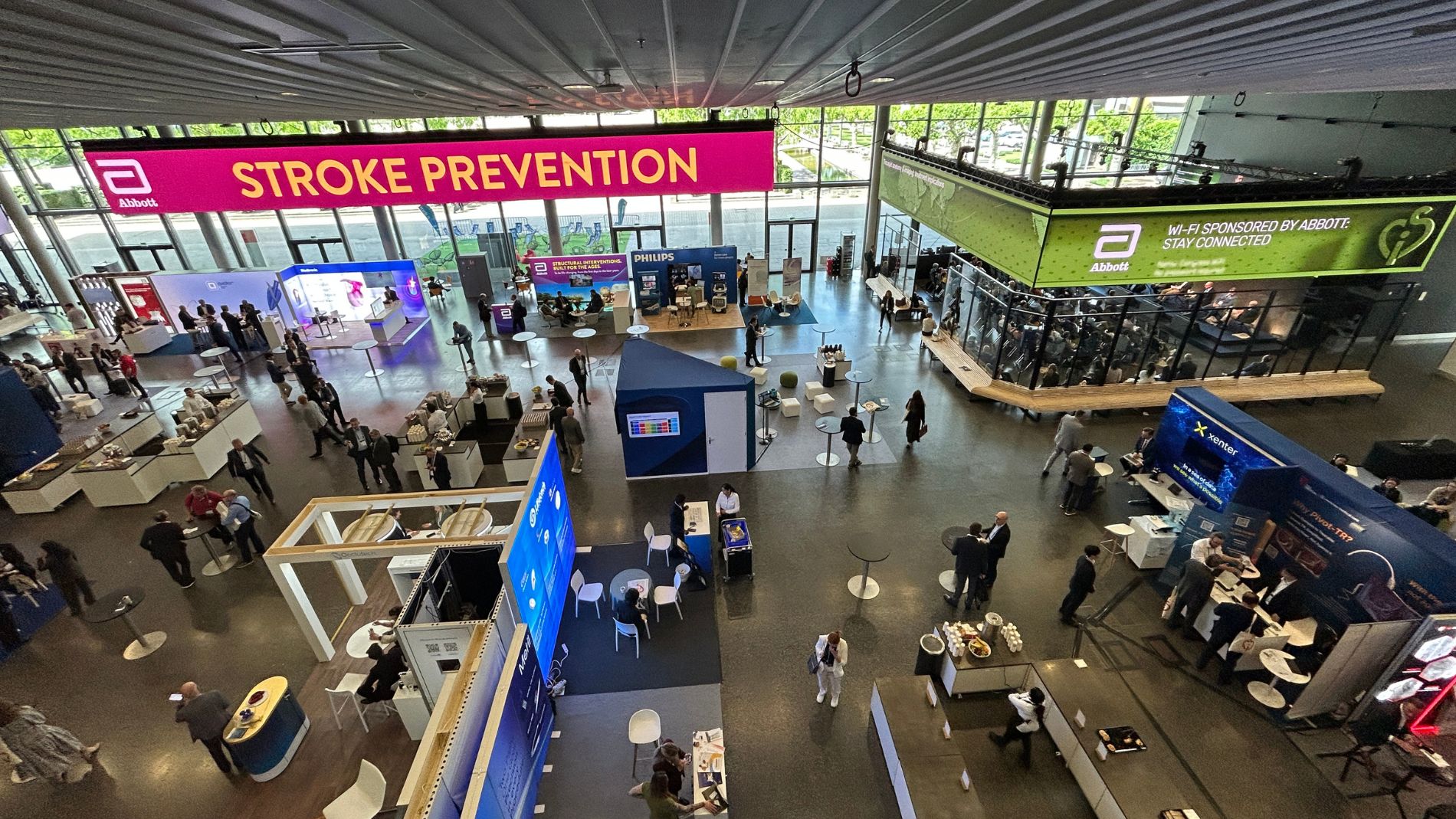
One of the most important factors for us is the people we work with on site. We've worked closely with Messe Frankfurt for many years, and many members of their team have been supporting CSI for a long time. We know each other well, work hand in hand and can quickly find practical solutions whenever unexpected challenges arise. Being able to continue working with this experienced team after moving to Forum Messe Frankfurt was a major advantage for us.
Economic considerations have also become increasingly important for organisers. The cost of running international congresses has risen significantly in recent years, while venues are competing internationally more than ever. If overall costs continue to increase, many scientific congresses will have to look even more carefully at where they can be held in the future.
That's why we were particularly pleased to receive financial support from the City of Frankfurt in 2026. Partnerships like this strengthen the city's competitiveness as a congress destination and help ensure that international scientific meetings continue to choose Frankfurt in the years ahead.